Quick answer: A compliant food cart needs four certification layers: (1) CE marking or regional equivalent on electricals and structure, (2) NSF-aligned food-contact materials for the US market, (3) IEC 60335 alignment on cooking appliances, and (4) a gas leak-test certificate for LPG builds. On top of the cart itself, the operator layers local permits — but the cart’s certifications are what make those permits pass first time.
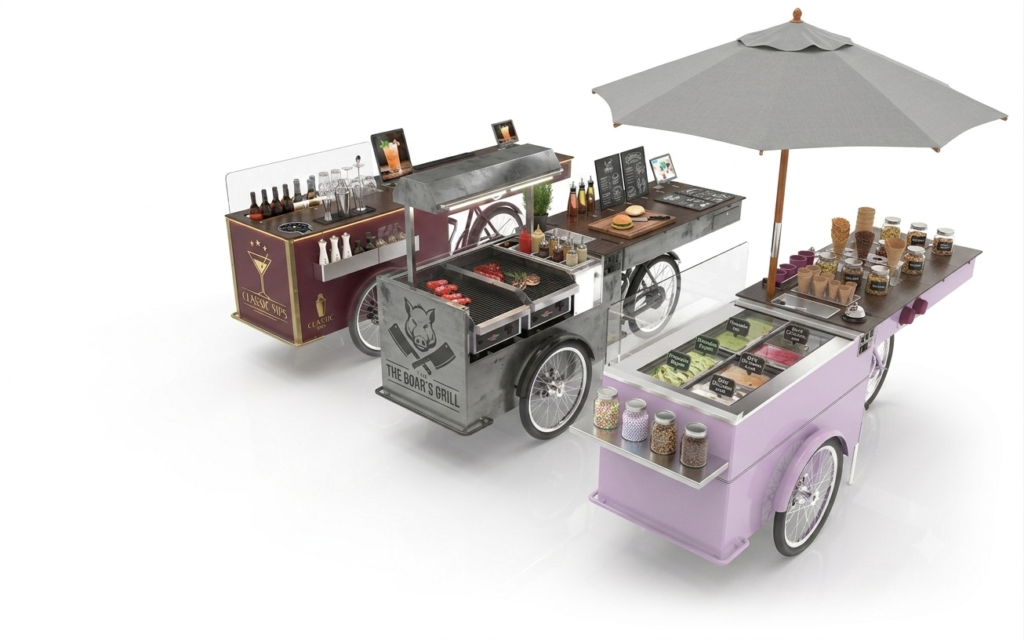
This guide decodes the certification alphabet from the export floor at MAG-STAR CHEF, where every cart ships with its documentation pack for the destination market. It pairs with the regulations by country, the 18-point inspection, and the equipment guide.
CE Marking: The European Entry Ticket
CE marking is a manufacturer’s declaration that a product meets applicable EU safety, health and environmental directives — for carts, that means the Low Voltage and EMC directives on electricals, gas appliance regulation on LPG components, and general product safety on the structure. It is not a quality grade; it is a legal conformity baseline, and customs and market surveillance expect it on units sold into the EU/EEA. For buyers the practical meaning: every electrical component on your cart — the induction cooktop, water heater, pumps, lighting — carries CE conformity, and the declarations ship in your documentation pack. The UK post-Brexit accepts UKCA or, under current rules, recognized CE marking; confirm your importer’s position. Full background on the marking system is on the CE marking reference.
NSF Alignment: What US Inspectors Look For
In the United States, NSF/ANSI standards define the design and material requirements for commercial food equipment — food-contact surfaces, cleanability, sealing, drainability. Health departments don’t always mandate an NSF certificate per component, but they write their codes against NSF specs, so carts built to NSF-aligned standards pass while improvised builds argue. The alignment that matters on a cart: 304 stainless on all food-contact counters, sealed and coved junctions, accessible cleanability behind equipment, safe drainage, and no absorbent surfaces in the prep zone. Our builds follow those specs as standard, which is why US buyers’ first inspections routinely pass — the argument was settled in the material choice, not at the counter. For appliances, IEC 60335 is the international safety standard household-and-commercial appliances are tested to, and it underpins both CE and most national schemes.
Gas Certification: Where the Bar Is Highest
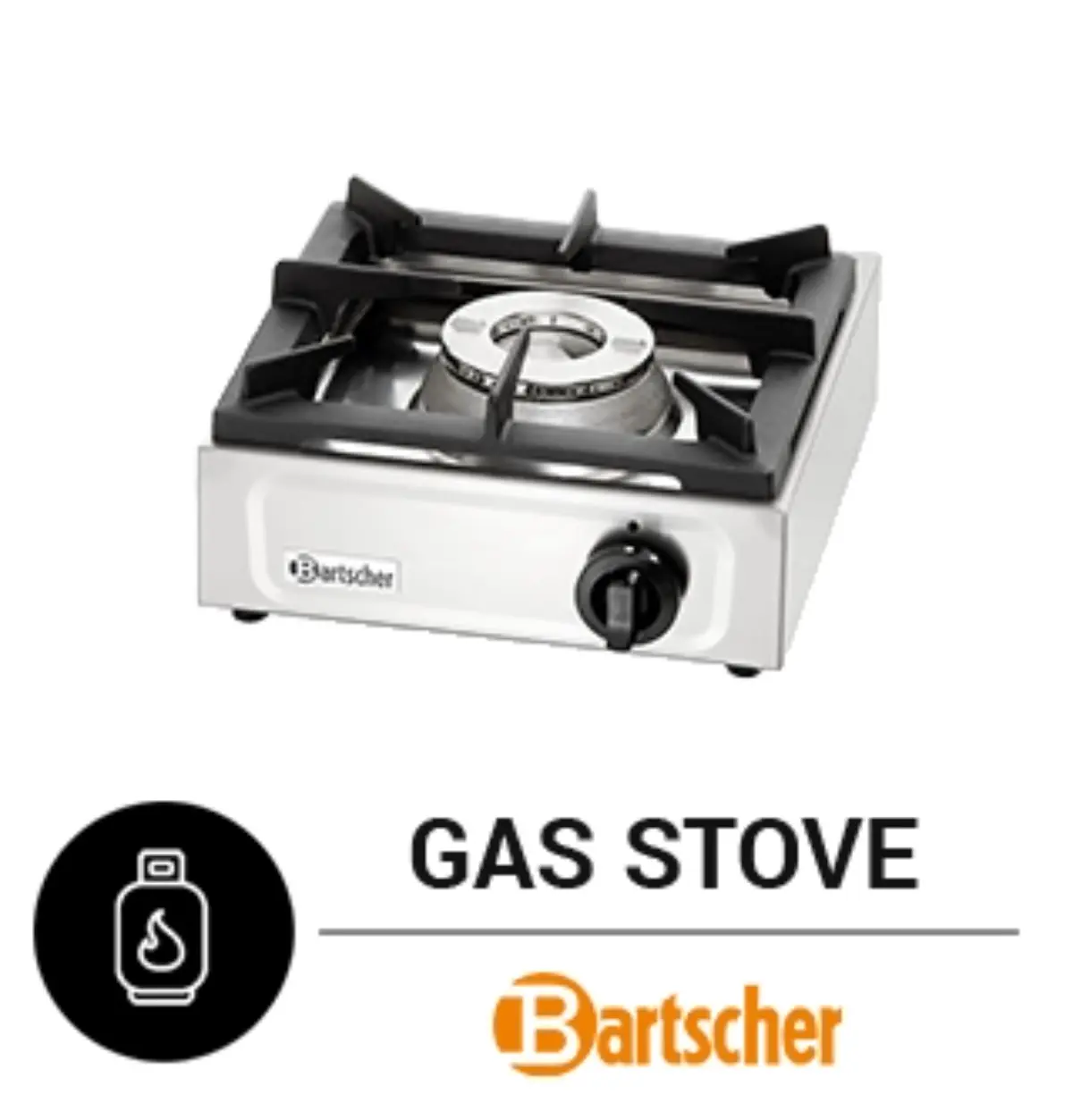
LPG is the most regulated subsystem on any cart, everywhere. The chain: certified regulator and hose assemblies, a sealed cylinder bay with external access and venting, a shut-off valve per line, and a leak test at commissioning — we test at 1.5× working pressure and ship the certificate in the crate. Jurisdictions layer their own codes on top: NFPA 58 in the US, regional gas-safety registration in the UK (Gas Safe for fitting), and municipal fire-department sign-off in many cities. The practical planning note: indoor venues accept no gas at all in most cities, which is why battery-electric builds dominate the mall and food-hall segment — the venue-access trade-offs are quantified in the electric vs gas comparison.
Battery and Electrical: The New Compliance Frontier
LiFePO4 battery systems brought their own certification expectations: cell-level certification (UN 38.3 for transport), battery management system conformity, and charger safety certification. For buyers the checkpoint is simple — the battery bank and charger must appear in the documentation pack with their test references, because battery systems without transport certification can be held at ports and insurers ask the same questions. Our packs ship with the full chain, which is one reason battery carts cross borders without friction. Combined with the labeled distribution panel and load sheet described in the inspection guide, the electrical system arrives as a documented, inspectable whole.
The Documentation Pack: Your Certification File
Everything above reduces to one deliverable: the export documentation pack that ships with every cart — CE declarations per component, IEC test references, gas leak-test certificate where fitted, battery transport certification, the 18-point inspection record, and the equipment schedule. This file is what your customs broker, your insurer and your health inspector each read, in that order. Buyers should keep it with the cart for its service life; re-sale and rental fleets transfer it with the unit. When comparing suppliers, the pack is the single best differentiator: a builder who can send a complete sample pack from a shipped order before you deposit is a builder whose certification claims are real.
Certification Myths That Cost Buyers Money
Four myths move real money in this market. Myth one: “I need a local certificate before importing” — no; the cart’s factory certifications plus your local permits are the stack, and no country requires a pre-import local certificate for catering equipment. Myth two: “CE means tested by an EU agency” — CE is a self-declaration backed by test references for the covered directives; anyone selling “EU certification services” for a conforming cart is selling ceremony. Myth three: “NSF certification is legally required in the US” — NSF is the reference standard codes are written against; NSF-aligned construction passes inspection without a per-component certificate in nearly every jurisdiction. Myth four: “More certificates on the website means a better builder” — certificate walls are the oldest trader costume in this industry; the verification that matters is a real inspection report and a documentation pack from a shipped order, as covered in the quality control guide. The money-saving corollary: buyers who understand what certification actually is pay for engineering, not paper — and they stop paying twice for paperwork that ships free in the export pack.
Market-by-Market Certification Quick Table
| Market | Cart-Side Certification | Operator-Side |
|---|---|---|
| EU / EEA | CE on electricals & gas components, IEC 60335 references | Street trading consent, hygiene registration, HACCP notes |
| United Kingdom | CE / UKCA per importer position | Street trading licence, food business registration, Gas Safe for gas fitting |
| United States | NSF-aligned construction, IEC-based appliance safety | Mobile food facility permit, food handler card, fire dept sign-off for LPG |
| Canada | As US, plus CSA-alignment on electricals | Provincial/municipal health approval |
| Gulf (UAE/KSA) | CE baseline widely accepted; municipality unit approval | Food watch registration, venue NOC |
| Australia / NZ | Electrical RCM alignment; NSF-aligned surfaces accepted | Council mobile food vendor registration |
Two rows deserve a comment. The Gulf row is short because the region standardized fast — municipality approval plus a documented cart is a two-week process in most emirates and Saudi municipalities. And the US row is the one importers over-worry about: NSF-aligned construction plus the export documentation pack answers the inspection, and the operator-side items are the same steps any local competitor completed. The full permit-layer logic behind this table lives in the regulations guide.
The Buyer’s 10-Minute Certification Audit
You do not need to be a compliance expert to audit a supplier’s certification claims; you need ten minutes and the right asks. Minute one to three: request the documentation pack sample from a shipped order — not a certificate template — and check it contains CE declarations naming real components, an inspection record with photos, and a gas leak-test certificate where relevant. Minute four to six: pick one component from their brochure, an induction cooktop say, and ask which IEC 60335 part it is tested to and under whose report — a manufacturer answers with a reference; a trader answers with reassurance. Minute seven to eight: ask what happens at a US or German first inspection with their cart — the answer should reference the hand-wash sink, labeled breakers and 304 stainless unprompted, because that is what inspectors ask first. Minute nine: ask how battery transport certification (UN 38.3) is documented for your shipment — battery carts without it can sit at a port. Minute ten: ask for one customer reference in your country or region and actually email them. No single answer is disqualifying; the pattern is. A supplier who is crisp on four of five will build you a cart your inspector greets like a colleague — and the audit costs you ten minutes against a purchase measured in four figures and a season’s revenue.
How Certification Interacts With Resale and Rental Value
Certification is usually discussed at purchase, but it pays twice more — at resale and in rental. A cart with a complete, transferable documentation pack sells faster and higher: the second owner inherits CE declarations, inspection records and appliance warranties where transferable, which converts a used cart from “unknown machine” to “documented asset” — a difference operators routinely see as 20–40% in resale price. Rental and fleet businesses depend on the same file: venues that contract carts ask for the certifications each season, and a fleet whose units carry identical, complete packs re-contracts without friction while competitors re-prove themselves yearly. Insurance follows the same logic — underwriting a documented cart is faster and sometimes cheaper, as noted in the regulations guide. The buying implication is simple: treat the documentation pack as part of the asset, file it with the cart, and include its completeness in any supplier comparison — a $200 discount from a builder who ships no pack is expensive the day you sell, rent or claim. And when you eventually upgrade to a second unit, the first cart’s clean certification history is precisely what makes it sellable in a week rather than a season — the fleet path stays open because the exit path was kept clean from day one.
To close the loop on certification: the goal was never a wall of documents — it is a cart that crosses a border, clears a customs desk, passes a health inspector, satisfies an insurer and earns a mall contract without a single argument about paperwork. That is what the four layers deliver together: CE or its regional equivalent at the border, NSF-aligned construction at the counter, IEC-tested appliances under load, and certified gas and battery systems in their bays. The documentation pack is the story of that build in one folder, and everything downstream — permits, insurance, resale, rental — reads faster because it exists. Buyers who grasp this stop shopping for certificates and start shopping for builders who engineer to standard — the certificates then arrive as a byproduct, exactly as they should.
A final practical tip for the buyer’s own records: photograph the documentation pack before the cart leaves your sight — crate opening day is busy, paperwork migrates, and a phone full of clear photos of every certificate page has saved more than one operator an awkward conversation with an inspector who wanted a duplicate. Store the originals flat in the sleeve under the counter, scan a full set to cloud storage the same week, and email yourself the serial number and data-plate photo. Ten minutes of archiving on day one makes every future interaction — inspection, insurance renewal, resale, support ticket — a lookup instead of a search. Certification is a system, and the last step of every system is the filing.
Frequently Asked Questions
What certifications does a food cart need?
The core set: CE marking for European markets on electricals and structure, NSF-aligned materials and components for the US, IEC 60335 alignment for appliances, and a gas leak-test certificate where fitted. Health inspections then check hygiene layout on top.
Is CE marking mandatory for food carts?
For carts sold or operated in the EU/EEA, yes – CE declares conformity to the applicable safety directives and is the baseline customs and inspectors expect. UK buyers should confirm UKCA or accepted CE recognition.
Do US health departments require NSF certification on carts?
NSF/ANSI standards are the de facto reference for food-contact surfaces and commercial equipment in most US jurisdictions. Carts built to NSF-aligned specs – like ours – pass inspection without argument, though individual component certificates may be requested.
What gas certifications apply to food carts?
Gas builds need certified regulators and hoses, a leak test at commissioning (we supply the certificate), and compliance with local LP-gas codes such as NFPA 58 in the US. Indoor venues in most cities accept no gas at all.
Who issues the cart’s final compliance sign-off?
Your local authority – the municipality or health department inspects the cart at registration. Factory certification gets you through that inspection; it does not replace it.
Written by Mike, export sales lead at MAG-STAR CHEF. Ask for the documentation pack sample for your market via the quote desk (WhatsApp +86 137 5771 7214).