Quick answer: Choose food cart equipment in this order: (1) lock your menu to 3–6 items, (2) list the appliances each item needs, (3) total the wattage and gas draw, (4) size the power system around it, (5) buy factory-fitted, not retrofitted. Factory-fitted equipment costs 30–60% less than buying retail and retrofitting, keeps the wiring under warranty, and passes health inspection because it is installed to code from day one.
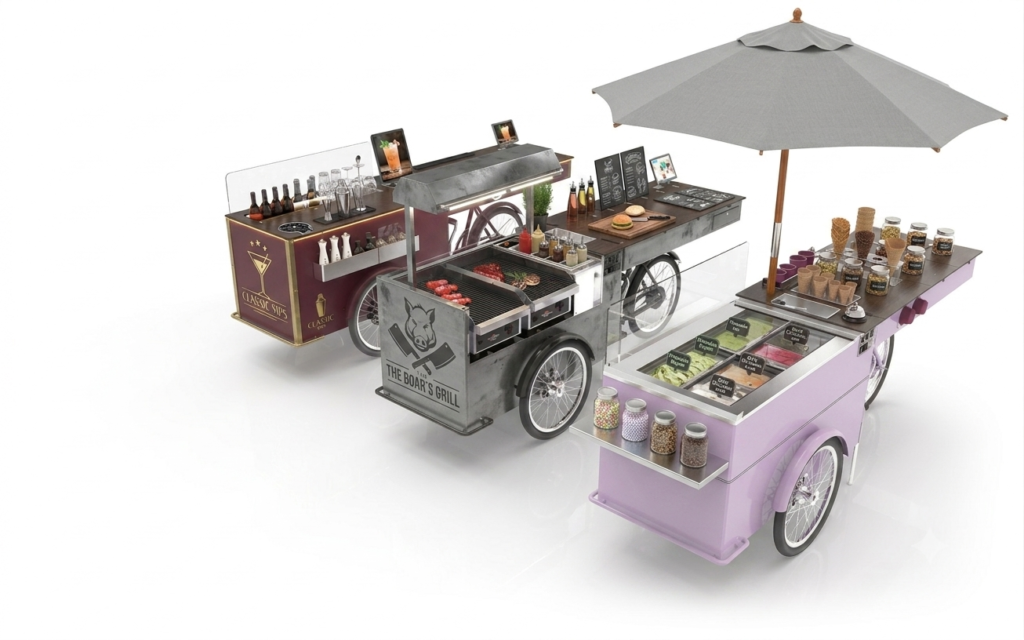
This guide comes from the factory floor. MAG-STAR CHEF has fitted cooking equipment into export carts for operators in 30+ countries, and the difference between a profitable cart and a struggling one is almost always the equipment decision made before the deposit. Related reading: food cart prices, what is a food bike, and the 8-step startup guide.
Start With the Menu, Not the Machine
The most expensive mistake in cart equipment is buying gear for a menu you have not validated. Work backwards instead: write your final menu, then for each item note the appliance, the pre-cook prep and the holding method. A 3–6 item menu rarely needs more than two heat sources and one cold source. If your draft list needs five appliances, cut items until it does not — that discipline is exactly why carts beat trucks on cost, as shown in our cart vs truck comparison.
| Menu Concept | Core Equipment | Power Draw |
|---|---|---|
| Burgers, kebabs, breakfast | Grill plate + holding cabinet | 3–4 kW |
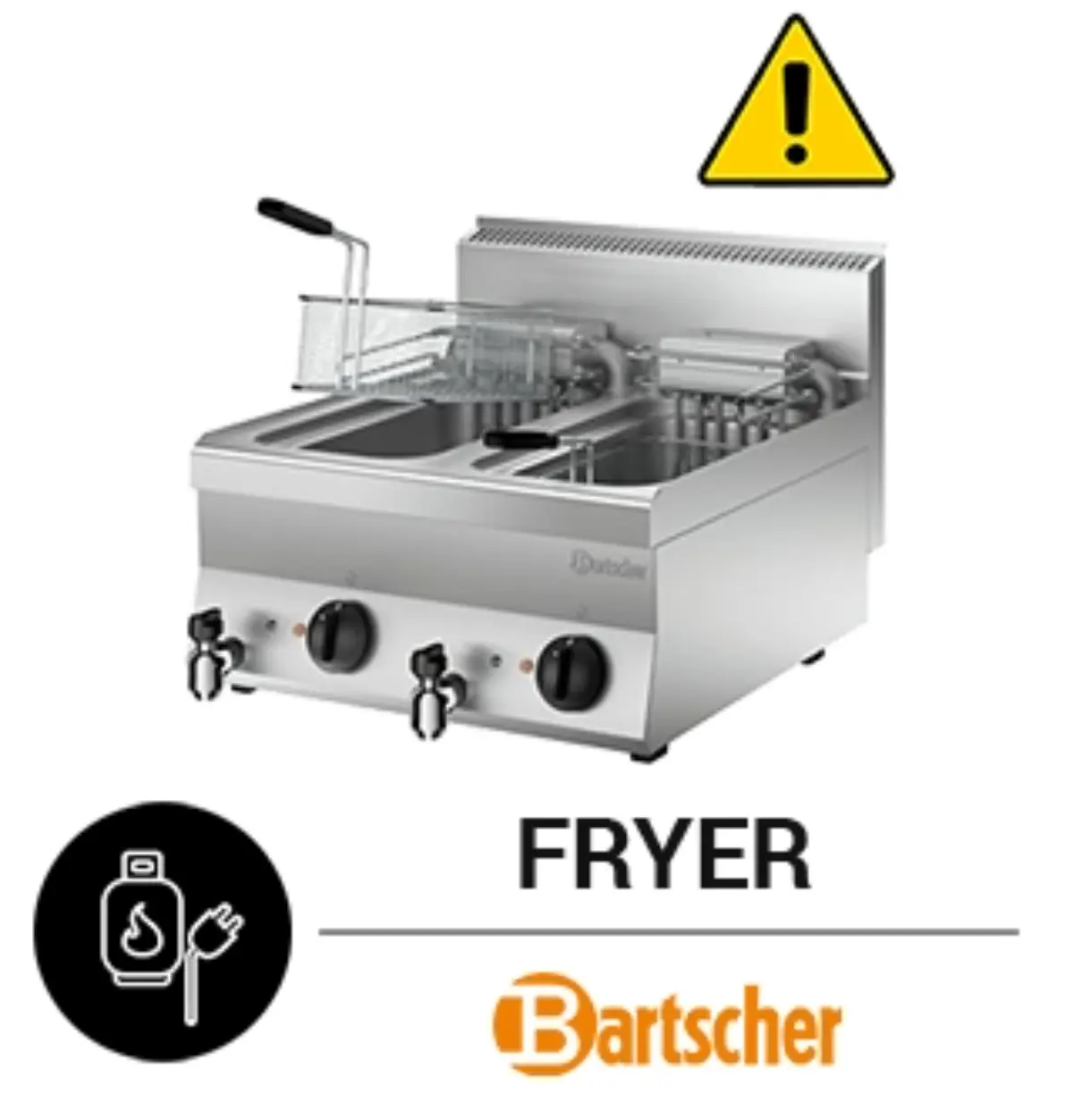
| Fries, churros, fried snacks | Deep fryer (single or twin basket) | 3–6 kW or gas |
| Bao, dumplings, steamed snacks | Steamer + hot holding | 2–3 kW |
| Waffles, churros, desserts | Waffle maker / pancake griddle | 2–3 kW |
| Soups, stews, noodle broth | Electric heating pot or gas stove | 2–4 kW |
| Steak & panini lines | Contact grill + striped grill plate | 3–4 kW |
Electric vs Gas vs Induction: Choosing the Heat Source
Every cooking appliance comes in an electric, gas or induction variant, and the right choice depends on your venues and local rules:
- Electric — simplest permitting, no fuel storage, works anywhere you have battery or shore power. Best default for carts. Our fryers, fryer-water-warmer combos and heating pots all come in electric versions sized for cart batteries.
- Gas (LPG) — the strongest raw heat for wok-style output and the cheapest to run where gas is cheap, but many indoor venues, malls and some cities restrict or prohibit on-cart propane. Requires a certified bay, regulator and leak test. If you need flame, our carts provision a sealed gas stove bay with external venting.
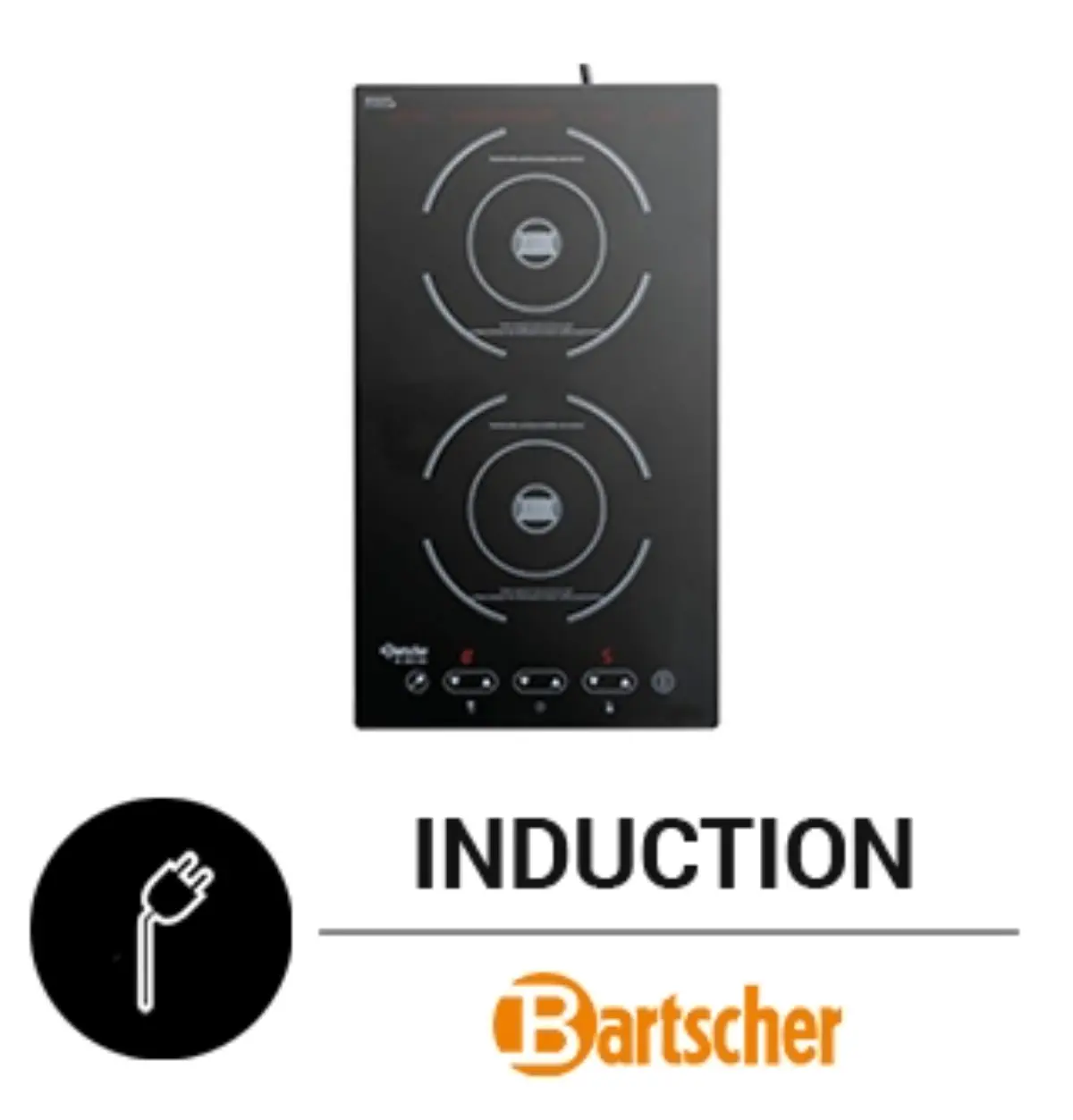
- Induction — fastest, safest and most efficient electric heating: the pan is the heater, so surfaces stay cool and kitchens stay quiet. The induction heating furnace and induction cooker units we fit are the premium choice for high-turnover carts and are increasingly required by indoor venues with strict fire codes.
Do the Power Budget Before You Order
This is the step that separates professional quotes from regret. List every appliance with its rated wattage and its duty cycle (the share of service time it is actually drawing power). A typical full-day cart budget:
| Load | Rated | Duty | 8h Energy |
|---|---|---|---|
| Grill plate | 3,000 W | 50% | 12 kWh |
| Under-counter fridge | 200 W | 40% | 0.6 kWh |
| Lighting + sign box | 150 W | 100% | 1.2 kWh |
| Water pump | 60 W | 10% | 0.05 kWh |
Send that list to the factory and the power system is sized to it: LiFePO4 battery capacity, charger amperage and shore-power inlet are specified from your appliance list, not guessed. An undersized battery is the single most common cause of a dead service day — and it is 100% preventable at the quotation stage via our quote desk.
Factory-Fitted vs Retrofit: The Numbers
Comparing a bare cart + local retail appliances against a factory-fitted package on the same spec:
- Equipment cost — factory pricing on our own equipment line runs 30–60% below retail, because you buy manufacturer-direct without distributor margin.
- Installation — factory wiring is loomed, breaker-protected and load-tested before shipping. Local retrofit adds an electrician ($300–$1,000) and voids no one’s warranty but your own.
- Inspection — health inspectors see clean factory looms, certified stainless and a real hand-wash sink; retrofits commonly fail first inspection on wiring and sanitation details.
- Resale — a coherent factory-built cart resells for far more than a bare chassis with mismatched bolt-on appliances.
Equipment That Earns Its Footprint (and Equipment That Doesn’t)
After hundreds of builds, these are the appliances with the best revenue-per-square-meter on a cart:
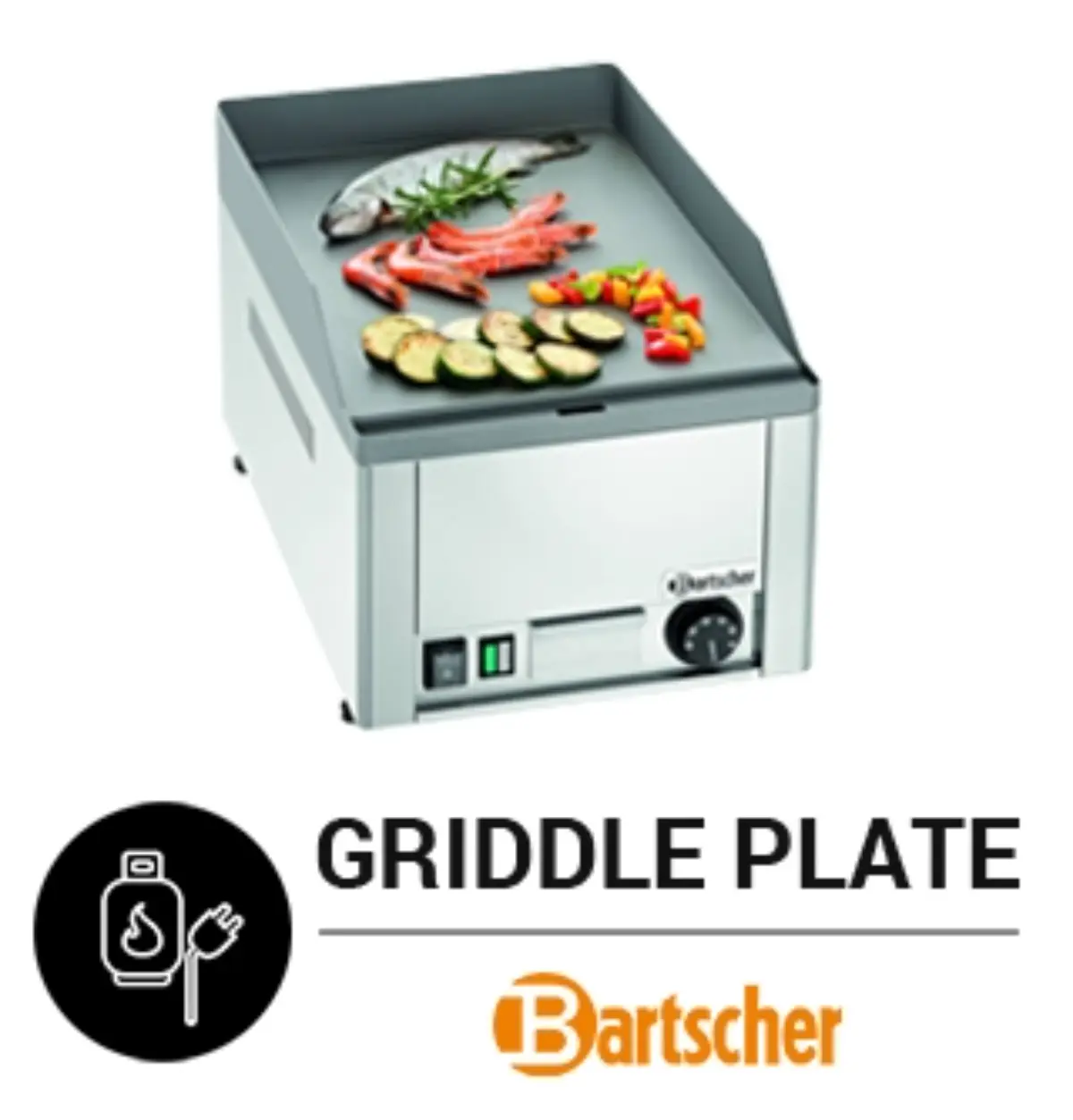
- Grill plate — the most versatile single appliance on earth: burgers, eggs, pancakes, vegetables, kebabs.
- Deep fryer — the bestseller maker; fries and churros carry 80%+ margins.
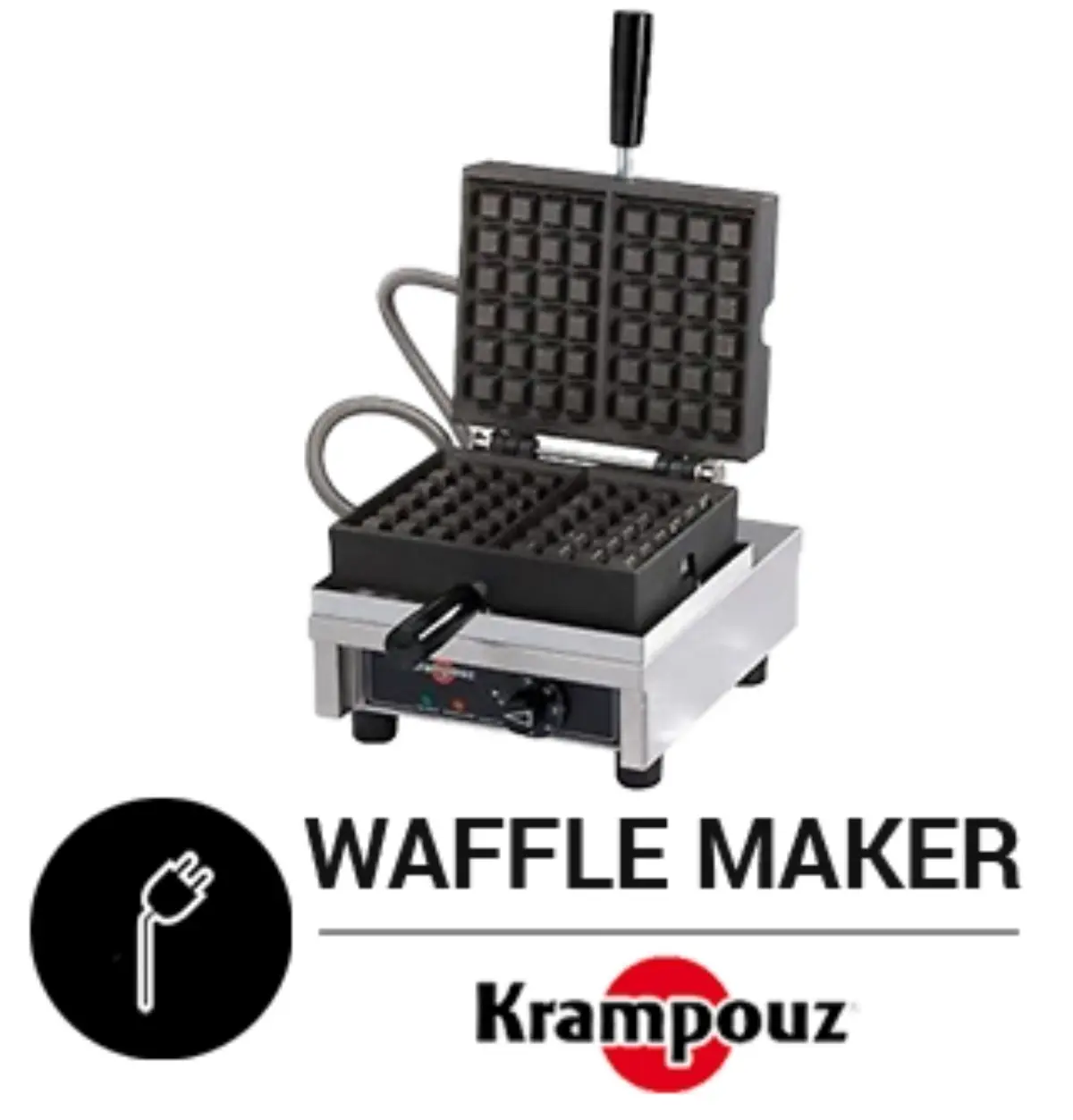
- Waffle maker — a dessert menu in one square foot.
- Steamer — near-zero smoke, perfect for indoor and regulated venues.
- Grill-plate water-warmer combo — grill one side, hold soup or sauce on the other.
Appliances that usually do NOT earn their footprint on a cart: full-size combi ovens, soft-serve machines on cooking carts (they belong on a dedicated ice cream cart), double-door refrigerators, and anything needing three-phase power. If your menu needs them, that is a signal to reconsider the concept — see step 1 of the startup guide.
Hygiene and Certification: What Inspectors Check
Cart equipment must satisfy the same food-contact standards as any commercial kitchen. The baseline in most jurisdictions follows the FDA Food Code (US) or EU Regulation 852/2004, and equipment certified to NSF or CE standards clears review fastest. What inspectors consistently check on carts:
- A dedicated hand-wash sink with hot water — non-negotiable in nearly every jurisdiction.
- Food-contact surfaces in 304 stainless, smooth and cleanable.
- Temperature control — a working fridge able to hold 4°C/40°F if you serve dairy, meat or cut produce.
- Separation of raw and ready-to-eat storage, which the under-counter layout of our carts is designed around.
Recommended Packages by Concept
These four factory packages cover 80% of the carts we ship. Each is fitted to its matching cart platform at build time:
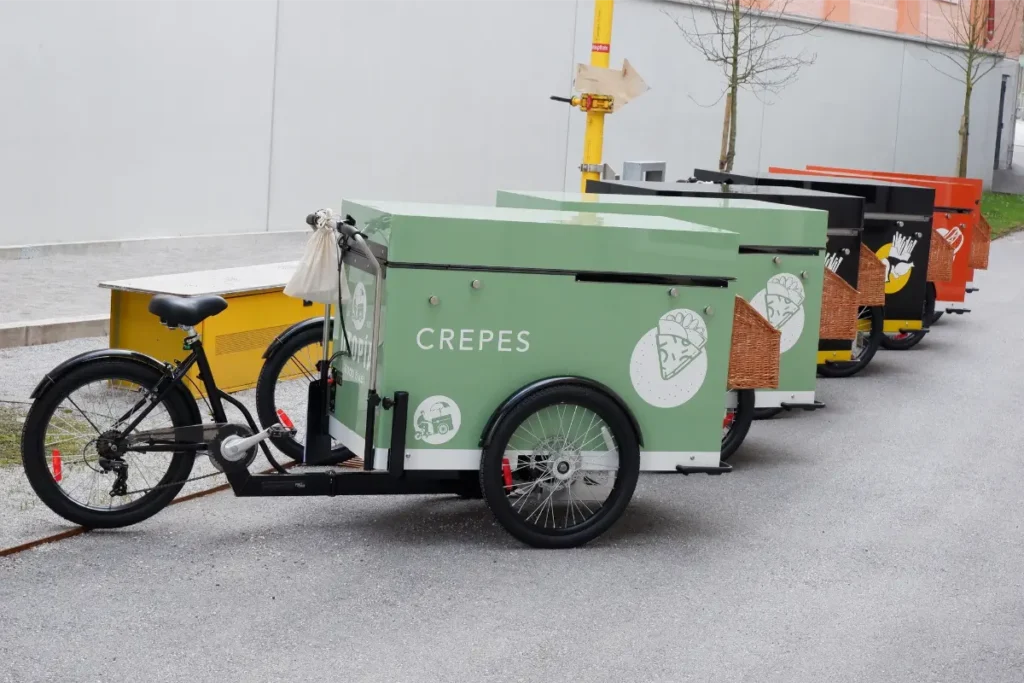
- Street-food classic — double-stove cooking cart + grill plate + deep fryer + hand sink: burgers, kebabs, fried sides.
- Sweet start — single-stove cooking cart + waffle maker or pancake griddle + fridge: lowest-cost entry with premium margins.
- Steam kitchen — base cart + steamer + induction pot: bao and dumplings with zero smoke complaints.
- Drinks & events — beverage & beer cart with taps and glycol cooling: the festival circuit workhorse.
Factory Price List: What Each Appliance Costs
Ballpark factory pricing on our own equipment line (FOB Wenzhou, 2026), so you can budget the package before requesting a formal quote:
| Appliance | Factory Price | Typical Use |
|---|---|---|
| Grill plate | $280–$450 | Burgers, eggs, pancakes |
| Deep fryer (single basket) | $320–$520 | Fries, churros, chicken |
| Waffle maker | $220–$380 | Dessert menus |
| Pancake griddle | $250–$400 | Crepe and pancake lines |
| Steamer | $260–$420 | Bao, dumplings, veggies |
| Electric heating pot | $180–$320 | Soups, sauces, broths |
| Contact grill | $240–$380 | Panini, pressed sandwiches |
| Induction cooker | $300–$480 | Fast, flameless cooking |
| Gas stove (LPG) | $150–$300 | High-BTU wok work |
Compare that against retail commercial appliances (a single NSF fryer commonly retails for $800–$1,500) and the factory-fit economics become obvious. Combo units like the fryer-water-warmer and grill-plate-water-warmer save both money and counter space by pairing a heat source with a holding bath in one chassis.
Ordering, Lead Times and What Happens Between Deposit and Delivery
Knowing the production sequence helps you plan the launch calendar around the build:
- Day 0–2: spec freeze. You confirm menu, equipment package, power budget, voltage and branding files. Changes after this point may move the delivery date.
- Day 3–12: chassis and fit-out. Frame welding, stainless fabrication, and your appliances are mounted, wired to the breaker panel and plumbed.
- Day 13–15: testing and branding. Every circuit is load-tested, water systems pressure-checked, wrap and sign box applied, then photos are sent for your approval before packing.
- Shipping. Standard builds leave the factory within 10–15 days; custom builds 25–40 days. Ocean transit adds 25–40 days depending on destination port.
Total realistic timeline from deposit to first sale: 6–10 weeks. That is time you should spend on permits and location scouting — the two workstreams that run in parallel, exactly as sequenced in the 8-step startup guide. During production we send photo updates at each milestone; fleet buyers ordering multiple carts receive a loading plan before the container is sealed.
Wiring, Breakers and Safety: What a Professional Fit-Out Includes
Equipment is only as safe as the installation around it. Every factory-fitted package at MAG-STAR CHEF includes the safety layer that retrofits usually skip: an independent breaker for each appliance so one fault never shuts the whole service down, residual-current protection on all outlets near water, loomed and grommeted wiring runs that cannot chafe on sheet edges, a dedicated earth bond to the chassis, and appliance clearances matched to each unit’s heat output. Gas-fitted carts add a sealed cylinder bay with external access, a regulator, and a leak test certificate with the delivery photos. This is the layer health inspectors and insurance assessors actually look for — and it is why the factory-fit route passes first inspection while bolt-on retrofits so often come back with a punch list. For the full cart platform that carries these systems, see the cooking cart range and the equipment spec sheets in our cooking equipment catalog.
Matching Equipment Wattage to Generator or Shore Power
Every appliance in this guide carries a nameplate wattage, and your power plan is simply the sum of what runs simultaneously. Induction cooktops draw 1,800–3,500 watts each, so a two-induction build needs either a 5kW+ generator or a site hook-up. Waffle makers and deep fryers cycle between 1,500 and 2,500 watts; espresso machines with boilers spike near 3,000 watts on heat-up then settle lower. The practical rule: size your power source at 125% of your simultaneous load, and stagger heat-up sequences in your opening routine so the boiler and the fryer never start together. All MAG-STAR CHEF carts are pre-wired with labeled breakers per appliance, which makes this load math visible at a glance on the distribution panel. For carts that will work events without hook-ups, our beverage and beer cart builds can be specified with battery-inverter packs sized to your exact appliance list.
Frequently Asked Questions
Can I supply my own appliances for the factory to fit?
Yes — many operators ship their espresso machines or specialty units to us for fitting. Send the model and dimensions first; we confirm voltage, weight and mounting, and quote the install. The cart’s power budget must still be sized around the total load.
Should I choose gas or electric cooking?
Choose electric or induction by default: simpler permits, no fuel handling, silent operation and venue access that gas cannot match. Choose gas only for high-BTU wok-style menus where your city and venues allow propane.
How much battery capacity do I need?
Most cooking carts run a full 8–10 hour day on 10–20 kWh of LiFePO4 depending on appliance load; refrigeration-only carts need far less. The exact figure comes from your appliance list’s duty-cycle math — the quote includes it.
What equipment fits on a base cart?
The multi-purpose base cart accepts any of our countertop units — grill plates, fryers, steamers, pots and induction cookers — plus under-counter refrigeration. It is the right platform when you already own appliances or want to phase the investment.
Does the equipment come with a warranty?
Factory-fitted equipment carries the factory warranty and, because wiring and gas work were done and tested at the factory, warranty claims do not get tangled between appliance and installers. Retrofit installs offer no such single point of accountability.
Written by Mike, export sales lead at MAG-STAR CHEF. Send your menu to our quote desk and receive an itemized equipment package with power budget within 24 hours (WhatsApp +86 137 5771 7214).