Quick answer: Choose an ice cream cart by matching its cooling system to your product: Pozzetti-style pans for authentic Italian gelato at serving temperature, a dipping cabinet for scooped hard ice cream, or an open cold display for pre-packaged bars and novelties. Then confirm four things: battery-powered refrigeration (silent, venue-friendly), a hand-wash sink for hygiene compliance, serving capacity of 6–12 flavors, and factory branding. A well-specified gelato cart costs $4,500–$8,500 FOB and pays back in one summer season at most tourist pitches.
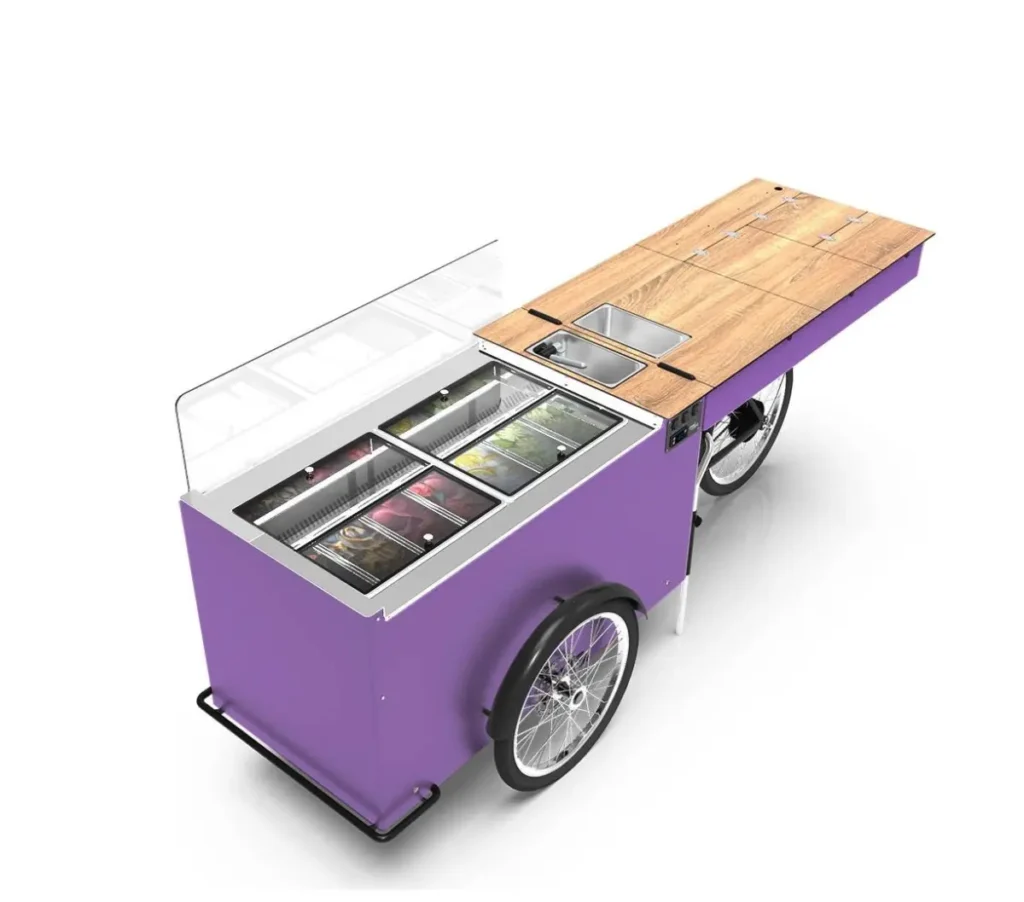
Ice cream is the highest-margin category in street food — product costs routinely run 20–30% of retail — but it is also the least forgiving: melt the product once and the pitch is dead for the day. This guide covers the decision from the factory side. MAG-STAR CHEF builds ice cream carts for operators across Europe, the Middle East and the Americas; see also what a food bike is, what carts cost and the startup sequence.
Step 1: Match the Cooling System to Your Product
This is the decision everything else follows. Ice cream is not one product — it is three storage problems:
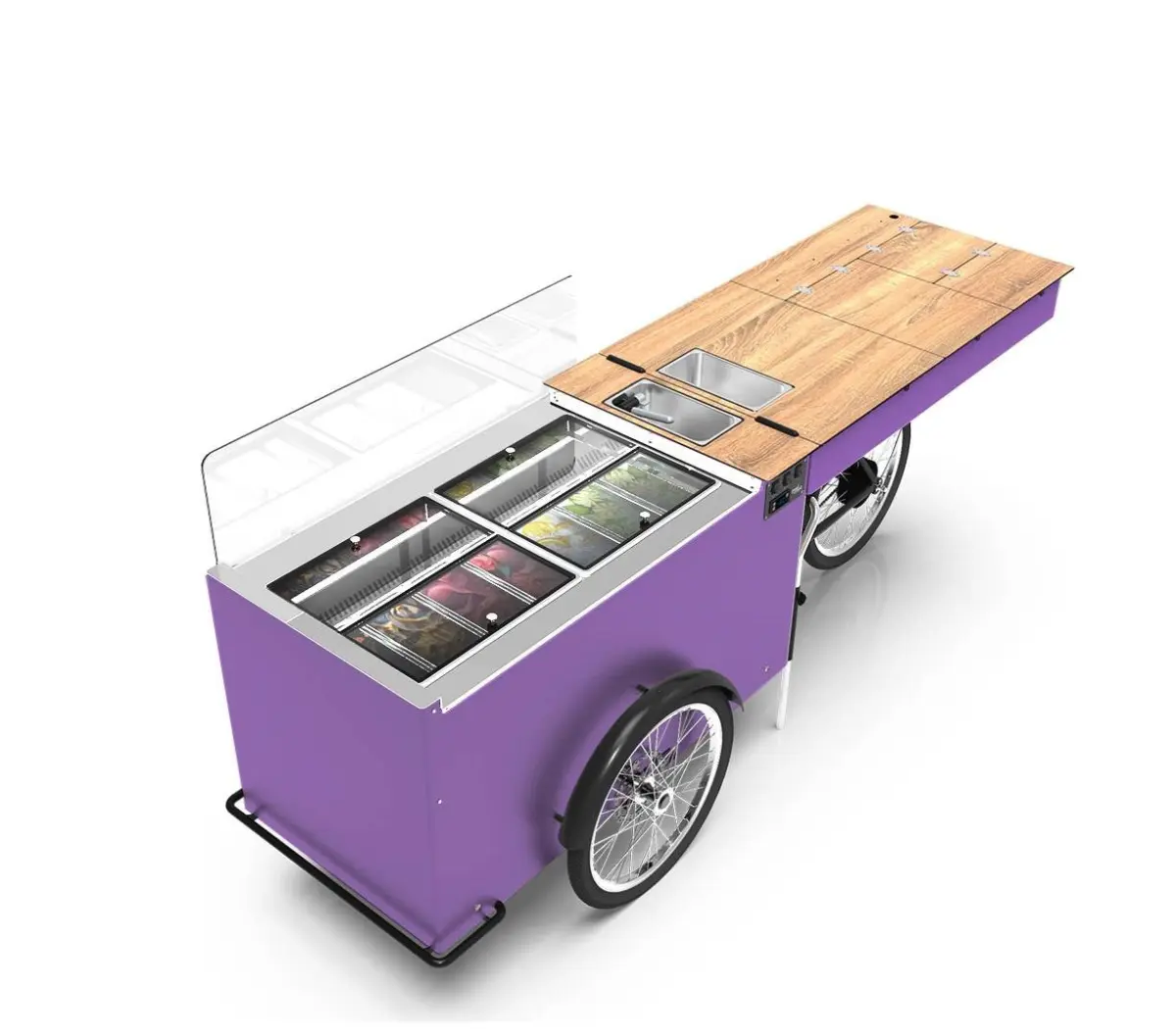
- Authentic gelato (Pozzetti) — true Italian gelato is served at -12°C to -14°C, warmer than a freezer, in round covered pans. A Pozzetti ice cream cart holds 6–12 sealed pans at exact serving temperature with refrigerated wells — no glass lids, no frost, and the texture customers associate with artisan gelato. This is the premium choice and the one our European and Gulf customers standardize on.
- Scooped hard ice cream — needs a true dipping cabinet at -18°C with curved glass and canisters. Colder, more conventional, slightly cheaper per serving capacity.
- Pre-packaged novelties — bars, cones and cups straight from a chest or open display well. Zero skill, zero scooping, ideal for high-volume events where speed beats theater.
If you are unsure which business you are in, ask where you will sell: hotel promenades, old towns and malls reward Pozzetti presentation; beaches and stadiums reward packaged speed.
Step 2: Demand Battery Refrigeration
Refrigeration is a 24-hour responsibility, and the cart’s power architecture decides whether you can actually trade where the money is:
- Battery-powered (LiFePO4) — silent, zero emissions, accepted indoors (malls, food halls, hotel lobbies) and at generator-free events. A properly sized pack holds temperature through a full service day and recharges overnight on ordinary mains.
- Shore power / plug-in — fine for a fixed pitch with an outlet, but it chains you to one spot.
- Generators — banned at many of the exact venues that pay best, and the vibration is hard on compressors. We do not recommend generator-dependent ice cream carts.
The silent-power advantage is not cosmetic — it is often the difference between getting the mall contract or not, the same venue-access logic that favors carts over trucks in our cart vs truck analysis.
Step 3: Size the Capacity to Your Venue
Capacity is flavors on display, not liters in storage. Match it to the service window:
| Venue | Flavors to Display | Recommended Platform |
|---|---|---|
| Hotel promenade / lobby | 6–8 | Pozzetti cart, elegant wrap |
| Pedestrian street / old town | 8–12 | Pozzetti or dipping cabinet |
| Mall / food hall (indoor) | 6–8 | Battery Pozzetti (no exhaust) |
| Events & festivals | 4–6 + packaged | Base cart with cold display |
| Rental fleet / agency | 6–10 | Pozzetti, neutral branding |
More flavors mean more stock risk and slower service. Operators consistently sell more with 6 confident flavors than 14 hesitant ones.
Step 4: Hygiene Setup That Passes Inspection
Dairy products put your cart under the strictest scrutiny. Before ordering, confirm the cart includes:
- A dedicated hand-wash sink with hot water — required in nearly every jurisdiction for open food service.
- Food-contact stainless (304) on all scooping and prep surfaces.
- Product temperature logging — a simple thermometer port on the wells; some jurisdictions ask for displayed temperature evidence.
- Covered storage for cones, cups and toppings, plus a closed waste bin.
- Compliance with your local dairy handling rules — US operators can use the FDA Food Code as the baseline; EU operators should confirm CE marking on electricals (standard on our carts, see CE marking).
Step 5: Branding and Presentation
Ice cream sells with the eyes first. At the factory stage — while the cart is still bare metal — is the moment to apply:
- Full wrap and color scheme — $200–$800 at the factory versus $800–$2,000 locally.
- Illuminated sign box — the single highest-visibility upgrade for evening trading.
- Awning — shade for the product and a shaded cue that says “ice cream here” from 50 meters.
- Menu board layout — plan the flavor board before the graphics go on; we mock it up in the quote.
Step 6: Run the Numbers
A typical gelato cart economics snapshot from customer reports: 80–150 servings per day at a good tourist pitch, average ticket $4–$7, product cost 25–35% — roughly $500–$1,500 gross profit per day in season. Against a delivered cart cost of $6,000–$11,000 (cart + freight + import, see the full cost breakdown), payback lands within one strong season. Winter strategy: many operators rotate the same cart to hot drinks and churros (a waffle maker or heating pot drops straight onto the counter) or rent it to caterers — the cart is an asset that works 12 months if you plan the rotation.
Ready-to-Order Configurations
- The gelato flagship — Pozzetti cart, 8–12 pans, battery refrigeration, hand sink, sign box and awning. The complete hotel-and-promenade machine.
- The event scooper — base cart + cold display wells + packaged stock: fastest setup, lowest capital, works the festival circuit.
- The hybrid — single-stove cart with a cold well on one side and a crepe or waffle plate on the other: ice cream in summer, hot desserts in winter.
Pozzetti vs Dipping Cabinet: Head-to-Head
The two scooping platforms side by side, from the factory perspective:
| Criteria | Pozzetti Wells | Dipping Cabinet |
|---|---|---|
| Serving temperature | -12°C to -14°C (true gelato texture) | -18°C (harder scoop) |
| Product presentation | Sealed artisan pans — premium perception | Glass-front canisters — classic parlor look |
| Energy draw | Lower (warmer setpoint) | Higher (deep freeze) |
| Product waste | Minimal — pan-per-flavor control | Higher — frost and re-freeze loss |
| Price (FOB) | $4,500–$8,500 | $3,500–$6,500 |
| Best for | Gelato brands, hotels, old towns | Traditional scooped ice cream, family events |
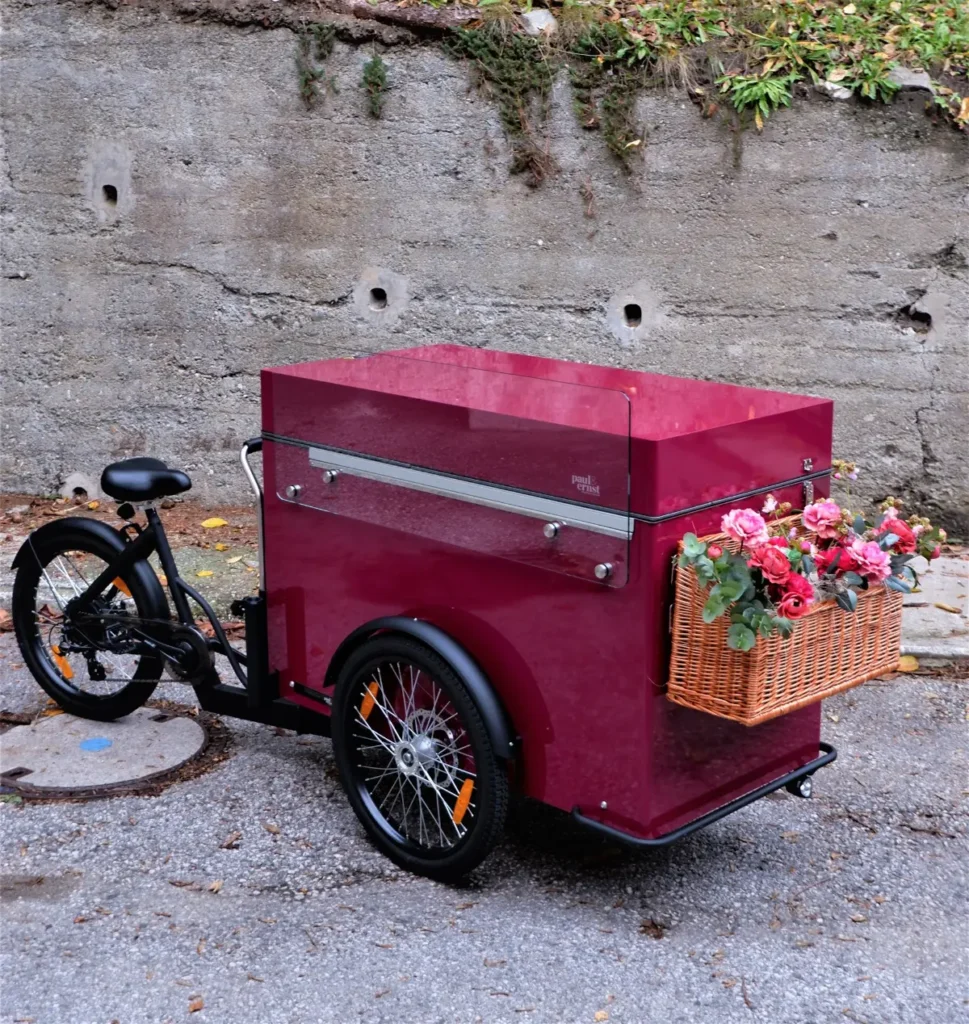
Both platforms are available with battery refrigeration, hand-wash sink, awning and sign box. If your brand story is “authentic Italian gelato”, the Pozzetti cart is the product-proof of that story; if your story is “childhood ice cream parlor”, the dipping cabinet delivers it for less.
Five Mistakes Buyers Make With Ice Cream Carts
- Buying on liters of storage instead of displayed flavors. Storage you cannot display does not sell. Match displayed flavor count to your venue (see the table above).
- Skipping the hand-wash sink. The single most common permit rejection on dairy carts. Every cart we build includes one — confirm it in any competitor quote too.
- Underestimating daily stock rotation. A gelato cart is a retail operation: plan a restock point or a base within an hour of the pitch, and spec the cart’s storage for at least a full service day.
- Generator power. It fails venue checks, annoys hotel guests, and vibrates compressors to early death. Battery refrigeration costs little more and unlocks the best pitches.
- Branding as an afterthought. Ice cream is an impulse buy driven by sight. A factory wrap, sign box and awning cost $400–$1,200 together at build time and routinely double pitch-day revenue versus an unbranded cart.
The Cold Chain: From Our Factory to Your Pitch
Gelato operators often ask how the product itself reaches them — a fair question, because a cart is only half the cold chain:
- Carts ship cold-chain ready — the refrigeration system is factory-tested, and the cart arrives with the wells pre-chilled protocol in the manual: plug in 4–6 hours before loading product.
- Your supply — most operators produce gelato in a small commissary or buy from a local gelato producer; the cart’s pans transfer directly from their batch freezers. Pozzetti pans are a standard format, which keeps your supplier options open.
- Events away from base — the battery pack holds serving temperature through the service day; for multi-day events without shore power, spec the larger battery option at quotation.
Cost planning for all of the above lives in the food cart cost guide; the launch sequencing (permits first, stock second, launch third) is in the startup guide.
Accessories That Raise the Average Ticket
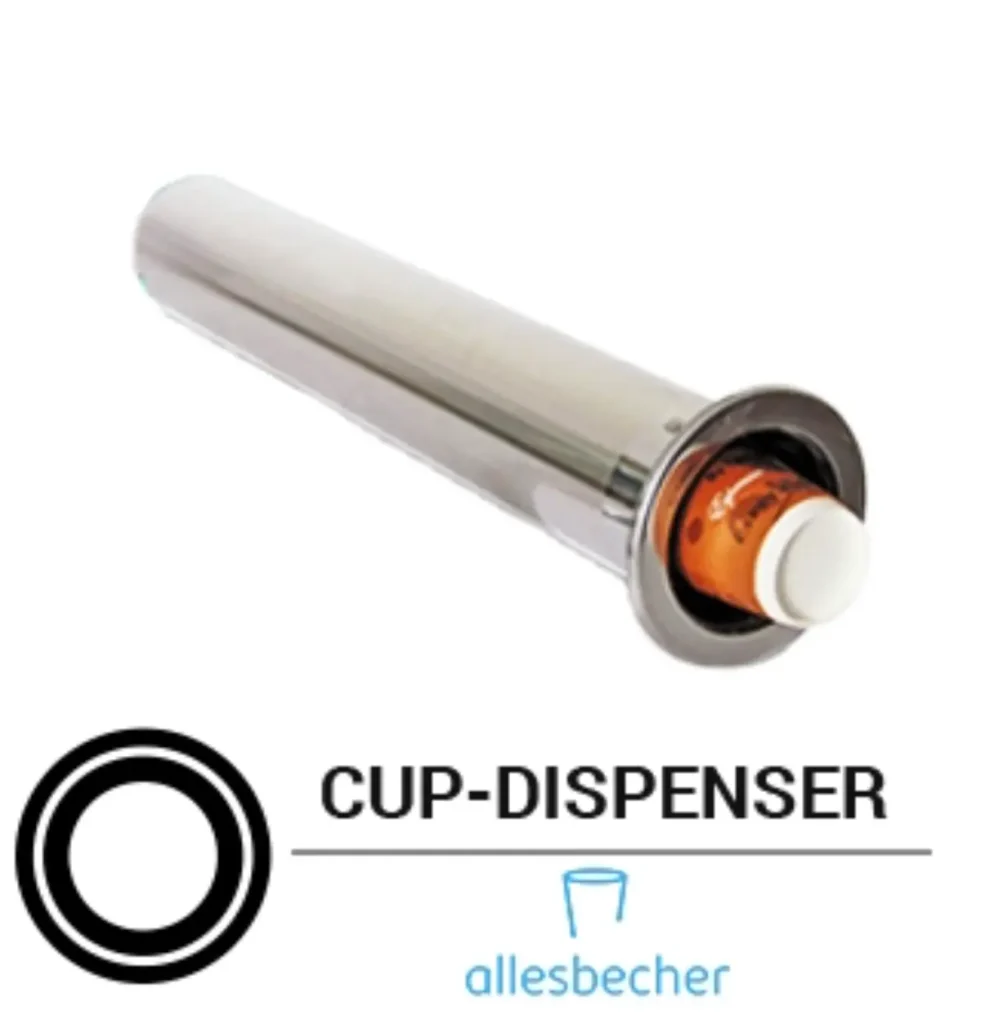
Once the core cart is specced, these low-cost add-ons consistently lift per-transaction value at gelato pitches: a topping station with sauces and sprinkles lifts average tickets 15–25%; a cone warmer keeps waffle cones fragrant at the point of sale; a small chest freezer under the counter doubles as stock buffer and packaged-novelty display; a card reader shelf and phone mount keep the payment flow as fast as the scooping flow; and cup-and-lid dispensers cut service time per customer to under 30 seconds. None of these change the cart layout, so they can be added at the factory with the first order or retrofitted later — but every one of them is cheapest to fit at build time. Bundle them into your quote when you request pricing and compare the all-in figure against the cost guide budget tables.
Posizione Positioning: Where Ice Cream Carts Earn the Most
The same cart can triple its revenue purely through placement discipline. The highest-yield pitches, in measured order: waterfront promenades and beach entrances on weekends (impulse buys peak with sunshine and children), museum and attraction exits (captive dwell time, zero price sensitivity), university quads during term (reliable 10-week rhythm, volume over margin), weekend farmers markets (families, mid-day dwell, low permit cost), and evening food-truck gatherings where dessert carts capture the after-meal spend the savory trucks create. The common thread is dwell time plus impulse weather. Track revenue per pitch for your first month rather than total revenue — the data will show one or two locations producing 70% of sales, and your weekly route should orbit them. For the refrigeration capacity each pitch demands, revisit the Pozzetti cart specs and the storage sizing section above.
Frequently Asked Questions
How much does an ice cream cart cost?
$4,500–$8,500 FOB for a fully equipped Pozzetti or dipping-cabinet cart, plus freight and import duties (typically 15–30% of FOB). Leaner cold-display builds on a base cart start around $2,500–$4,000 delivered.
How long does gelato last in a Pozzetti cart?
Pozzetti pans hold gelato at serving temperature (-12°C to -14°C) for a full service day and overnight on shore power. Because the pans are sealed, the product never develops freezer frost or skin — texture stays sellable far longer than open display.
Do I need a permit to sell ice cream from a cart?
Yes — a mobile food vendor permit plus, in most jurisdictions, dairy handling approval. Pushcart permits are simpler and cheaper than truck permits. Confirm your city’s cart category before ordering; the permit cost is usually $100–$2,000.
Can an ice cream cart work indoors?
Yes, if it is battery-powered: no exhaust, no fumes and no generator noise is exactly what malls, food halls and hotels require. This indoor access is the main reason we specify LiFePO4 refrigeration on every gelato cart.
What maintenance does an ice cream cart need?
Daily wipe-down of stainless and wells, weekly compressor-vent dusting, and periodic battery health checks. There are no engines, no vehicle inspections and no tires to replace beyond wear — annual maintenance is typically under $200.
Written by Mike, export sales lead at MAG-STAR CHEF. Tell us your venue and product via the quote desk for an itemized gelato cart spec within 24 hours (WhatsApp +86 137 5771 7214).